Thinking about a Topsail Island place but unsure whether to finance it as a second home or an investment? Your choice changes everything from the down payment and interest rate to what insurance you must carry in Surf City. In this guide, you will learn what lenders look for, how coastal risk and local rules affect your budget, and what to ask before you apply. Let’s dive in.
Second home vs investment basics
Choosing between a second-home loan and an investment loan starts with how you plan to use the property. Lenders classify homes by occupancy. That classification drives your loan options, pricing, and documentation.
- Down payment and LTV: Second homes often allow higher loan-to-value than investment properties. Many borrowers see starting points around the low double digits, and some lenders ask for 15 to 20 percent depending on your profile and location risk. Investment loans commonly require 15 to 25 percent or more.
- Interest rate: Investment property rates are usually higher than second-home rates because lenders view them as higher risk. Second-home rates are typically a bit higher than a primary residence.
- Occupancy and rentals: For a second home, you must intend to occupy the property part of the year. Lenders usually do not allow you to market it as a business or frequent short-term rental under a second-home classification. If you plan to rent regularly, lenders will classify the property as an investment.
- Income and reserves: Second-home underwriting often mirrors a primary residence, though you may need 2 to 6 months of reserves. Investment loans are stricter, often requiring 6 or more months of reserves, higher credit scores, and documentation of rental income.
- Documentation and appraisal: Investment loans may require rent schedules, expense statements, and appraisals that reflect market rent. Second-home appraisals focus on comparable sales and condition, but coastal disclosures and insurance details still matter.
- Loan program availability: Conventional programs offer clear paths for both second homes and investments, though investor pricing and reserve rules are tighter. FHA, VA, and USDA mainly serve primary residences. Portfolio banks and credit unions can be flexible with coastal properties.
The biggest caution is intent. If you label the home a second home but operate it like a short-term rental business, you may violate loan terms. In Surf City, the coastal location can also push lenders to ask for more equity or reserves.
Coastal factors that affect loans
Topsail Island looks simple on a map, but coastal underwriting is different. Lenders and appraisers pay close attention to risk, insurance, and local rules because these drive your monthly costs and your ability to qualify.
- Flood zone and flood insurance: Many parcels near the beach or water will be in flood hazard zones that require flood insurance with a mortgage. Premiums on barrier islands can be higher than inland. Elevation certificates, mitigation features, and whether you use a National Flood Insurance Program policy or a private policy can materially change the premium lenders use in your debt ratios.
- Wind and hurricane coverage: Coastal properties may need separate windstorm coverage or carry higher named-storm deductibles. Lenders require adequate hazard and wind coverage that meets their standards before closing.
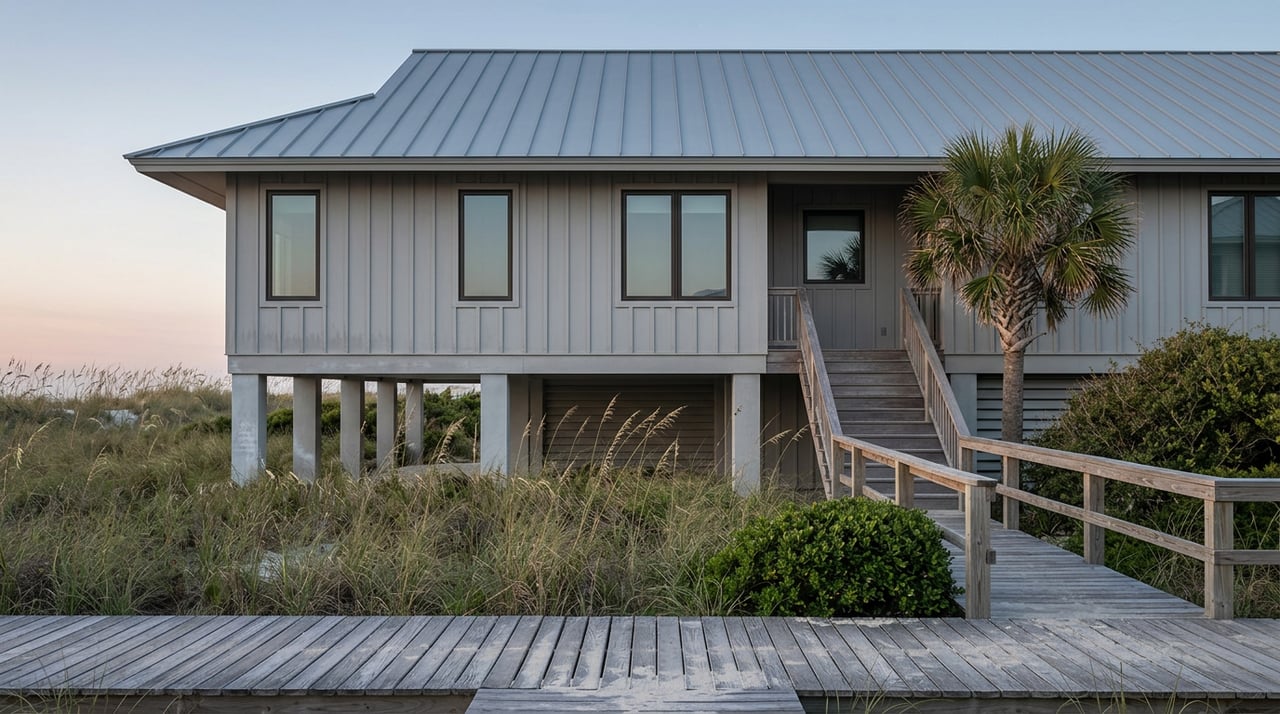
- Construction and elevation: Elevated homes on pilings, foundation types, utilities, and access can affect appraisal and insurability. Older cottages may face extra scrutiny compared to newer construction.
- Appraisal challenges: The pool of comparable sales can be thin for premium beachfront segments. Appraisers may consider short-term rental income for investment classifications, while second-home appraisals focus on sales comps and condition.
- Short-term rental rules and taxes: Many coastal towns regulate vacation rentals. Before you count on rental income, confirm whether short-term rentals are allowed for the property’s zoning, whether you need a license or inspections, and how occupancy taxes are handled.
- HOA and condo rules: Some associations limit rentals with minimum lease terms or caps. Lenders often apply condo eligibility standards that you must pass to close.
- Seasonality: Surf City’s rental demand is seasonal. Underwriters often use vacancy and expense assumptions or require multi-year rental history when considering projected income.
Loan options for Surf City buyers
You have several financing paths. The right fit depends on your credit, income, reserves, intended use, and the property’s location and insurance profile.
Conventional loans
Conventional loans are the most common for both second homes and investment properties. They offer clear rules for each classification. If you want to use rental income to qualify on an investment purchase, documented history or leases strengthen your case.
Jumbo loans
Waterfront or premium island homes may exceed conforming loan limits. Jumbo loans often come from portfolio channels with stricter reserves and pricing. Many jumbo lenders still allow both second-home and investment scenarios, but they will dig deeper on coastal risk.
Portfolio and local banks
Local community banks and credit unions along the North Carolina coast sometimes tailor underwriting for familiar collateral. You may see more flexibility with short-term rental exposure, customized reserve requirements, or consideration of long-standing customer relationships.
DSCR loans
Debt Service Coverage Ratio loans qualify the property based on its cash flow rather than your W-2 income. These can fit investors, self-employed buyers, or buyers with multiple properties. Lenders apply DSCR thresholds and often work with short-term rental income if you can show booking history and expenses.
Government loans
FHA and VA focus on primary residences and are typically not used for second homes or investments. USDA targets rural primary residences and is not typical for Topsail Island second-home or investor purchases.
Other options
Cash, private money, and bridge loans are alternatives when agency or bank guidelines do not fit. This can make sense when insurance is complex, rental rules are in flux, or timing is tight.
How lenders view rental income
For conventional investment loans, documented rental history is strongest. Market rent projections may be discounted. Many lenders accept short-term rental income only with solid history, and some will not count it at all unless documented over time.
Insurance and escrow requirements
You must show proof of hazard, wind, and flood insurance if required. Carriers, deductible levels, and whether a policy is admitted in the state can all affect approval. Large storm deductibles may trigger extra reserves.
Build your comparison worksheet
Use this side-by-side worksheet to compare a second-home scenario to an investment scenario for the same Surf City property. Ask your lender to fill in both columns so you can see the cost and qualification differences at a glance.
| Field |
Your notes |
| Property address and FEMA flood zone |
|
| Intended use (personal, STR, long-term) |
|
| Lender classification (second home or investment) |
|
| Loan program (conventional, jumbo, portfolio, DSCR) |
|
| Minimum down payment and LTV |
|
| Interest rate quote and APR (with points) |
|
| Required cash reserves (months of PITI) |
|
| Debt-to-income and credit score overlays |
|
| Rental income policy and history required |
|
| Estimated annual flood insurance premium |
|
| Estimated annual wind/property insurance and deductible |
|
| HOA or condo rental restrictions |
|
| Appraisal or special inspections needed |
|
| Closing costs and lender fees |
|
| Prepayment penalties or investor restrictions |
|
Smart questions to ask lenders
- How will you classify the property if I use it as a short-term rental for a set number of weeks each year?
- What down payment and minimum credit score do you require for a second home vs an investment on a coastal property?
- What rate difference should I expect between the two options for my profile?
- How many months of reserves do you require for each classification?
- Do you accept short-term rental income for qualifying, and what documentation or history do you need?
- Do you have coastal overlays related to flood zones, insurance carriers, deductible limits, or foundation types?
- Will you accept a private flood policy, and do you require an elevation certificate?
- What condo or HOA criteria do you apply, including rental caps or project approvals?
- For investments, do you offer DSCR loans, and what DSCR do you require?
- How do you underwrite properties with seasonal income?
Documents you will need
- Government photo ID, recent pay stubs, W-2s, and two years of tax returns, or alternative docs if self-employed
- Bank and investment statements showing down payment and reserves
- Current mortgage statements and HOA dues if you own other property
- Purchase contract once you are under contract
- Appraisal, flood zone determination, elevation certificate if available, and insurance quotes
- Leases, profit and loss statements, and short-term rental booking history for investment purchases
- HOA or condo documents that show rental rules and any pending assessments
Avoid these red flags
- The property sits in a high-risk flood zone and affordable flood insurance is not available
- Short-term rentals are not allowed by local rules or the HOA, or prior rental activity is unpermitted
- HOA or condo restrictions are tighter than your rental plan
- The property functions as a business rental but you plan to claim second-home occupancy
- Storm deductibles are so high that the lender requires extra reserves you did not plan for
Local steps to take next
- Decide how you will use the home. If you plan regular short-term rentals, plan for an investment loan. If you want seasonal personal use without frequent rentals, a second-home loan may fit.
- Pull the parcel’s flood designation and request an elevation certificate if one exists. Get flood and wind insurance estimates so lenders can underwrite real numbers.
- Gather income, asset, and tax documents and request side-by-side prequalification as a second home and as an investment.
- Confirm Surf City and Pender County short-term rental rules for the address, and check HOA or condo rental policies before you write an offer.
- Ask lenders to complete the comparison worksheet for both scenarios. Review down payment, rate, reserves, and what rental income they will count.
If you want a local guide through the Surf City and Topsail Island details, reach out to Stephanie Bolleyer. As a trusted Topsail Island advisor with resort and second-home expertise, Stephanie can help you compare loan paths, understand coastal risks, and position your offer with confidence.
FAQs
What counts as a second home in Surf City?
- A property you intend to occupy part of the year for personal use, without operating frequent short-term rentals that make it function like a business.
Can I rent my Topsail Island second home sometimes?
- Limited, occasional rental may be allowed by some lenders, but frequent short-term rentals usually push the classification to an investment.
How much down payment for an investment loan?
- Many lenders require 15 to 25 percent or more for a one-unit investment, with higher requirements possible based on risk.
Why are coastal insurance costs so important?
- Flood and wind premiums on barrier islands can be significantly higher and directly affect debt ratios and your approval.
Will lenders count short-term rental income to qualify?
- Some do with documented history, but many discount it or require multi-year records, and a few do not count it at all.
What is a DSCR loan for a Topsail rental?
- A DSCR loan qualifies the property based on its net operating income compared to the mortgage payment instead of your W-2 income.