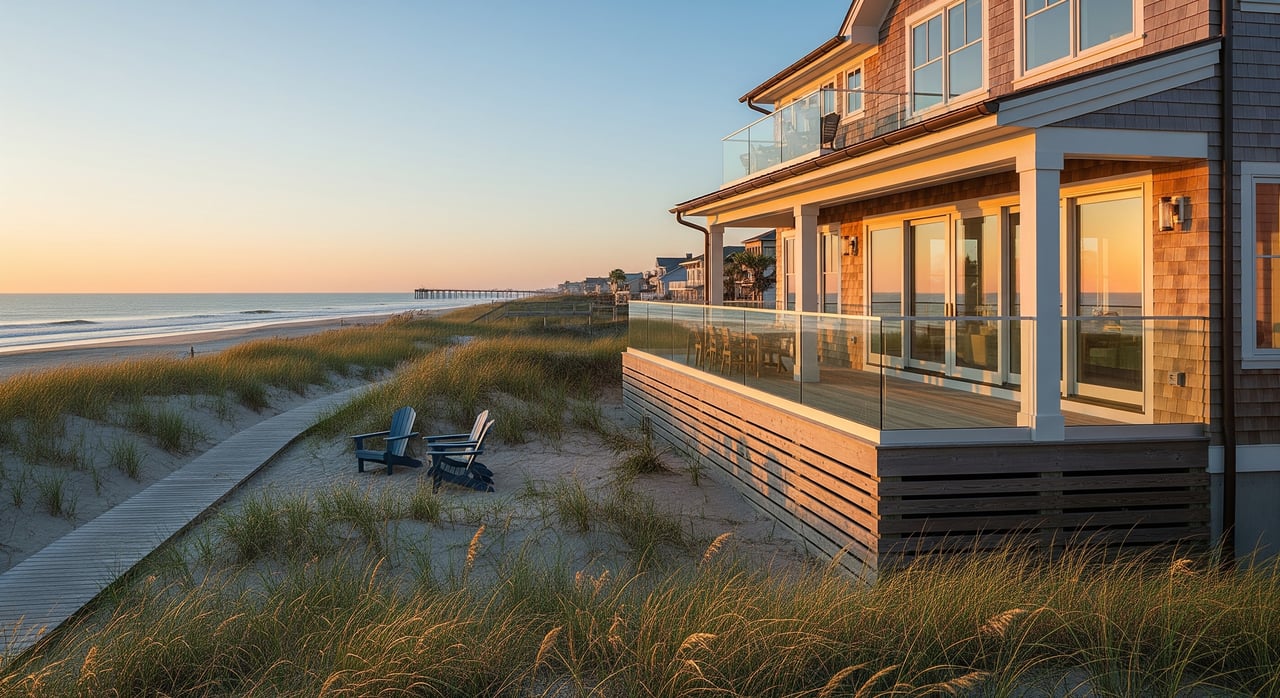
What It’s Like Living in Surf City NC Year-Round
February 5, 2026
February 5, 2026
Ever wondered what it feels like when your morning walk starts on soft sand and ends with coffee by the sound of the Intracoastal Waterway? If you are exploring a move to Surf City on Topsail Island, you want a clear picture of daily life, not just vacation snapshots. You also want practical insight on homes, insurance, commutes, and seasonal rhythms so you can plan with confidence. In this guide, you will learn how the town flows through the year, what neighborhoods feel like, and the key details to know before you buy. Let’s dive in.
Surf City sits on Topsail Island, a barrier island in Pender County with oceanfront on one side and the Intracoastal Waterway on the other. You access town by the Surf City Bridge, which connects the island to the mainland. The community pairs quiet neighborhoods with small commercial strips, offering a slower pace than larger nearby cities. According to U.S. Census Bureau QuickFacts, Surf City’s year‑round population is modest and has grown over the past decade, with a notable swell of visitors in late spring and summer.
Public beach accesses are spread along the island with dune walkovers and parking areas, so getting to the sand is part of daily life for many residents. You will see walkers and runners most mornings, especially outside peak season. Local dog rules vary by time of year, so check the Town of Surf City for current beach policies. Expect fuller parking and more beach activity from Memorial Day through Labor Day.
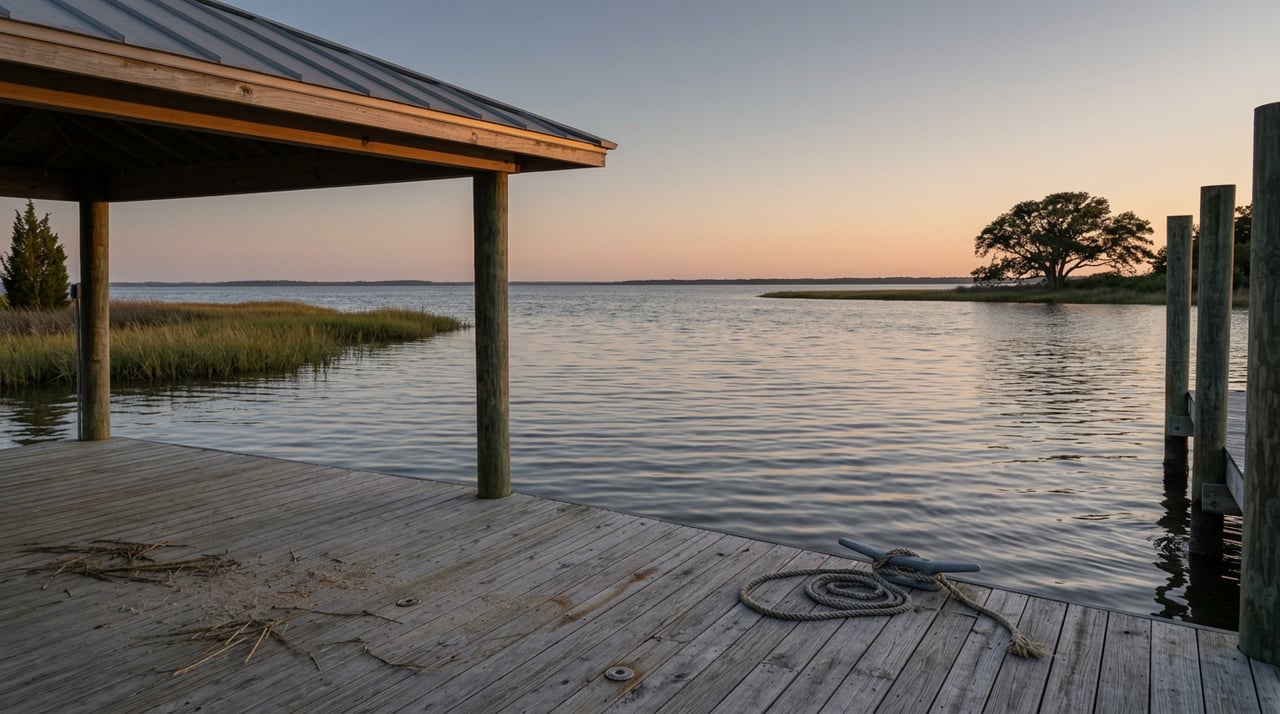
Surfing is part of the culture here. On a good swell, you will spot surfers and boogie boarders from dawn to dusk. If you enjoy fishing, surf casting, pier fishing, and inshore trips on the sound are popular. The Intracoastal Waterway and local canals make kayaking and paddleboarding easy to enjoy most of the year.
Topsail Island is a sea turtle nesting area. During nesting season, you will notice protected nests and nighttime lighting guidance on the beach. Local groups organize education and volunteer opportunities, and seasonal rules help protect wildlife. When you live here, you share the shoreline with nature and learn to work with those rhythms.
Surf City’s commercial corridors feature locally owned restaurants serving seafood and coastal fare, along with coffee shops, surf shops, and boutiques. The scene grows busier in summer, then settles into a quieter pace the rest of the year. You will find more casual hangouts than late‑night spots.
You can handle day‑to‑day errands in town, including groceries and quick services. For big‑box shopping, specialty retailers, and expanded professional services, residents often drive to mainland hubs like Hampstead or into Wilmington.
Community events are part of the calendar, especially in summer and around holidays. Expect concerts, parades, seasonal festivals, and beach cleanups. Local venues sometimes host live music nights, which tend to end earlier than urban nightlife.
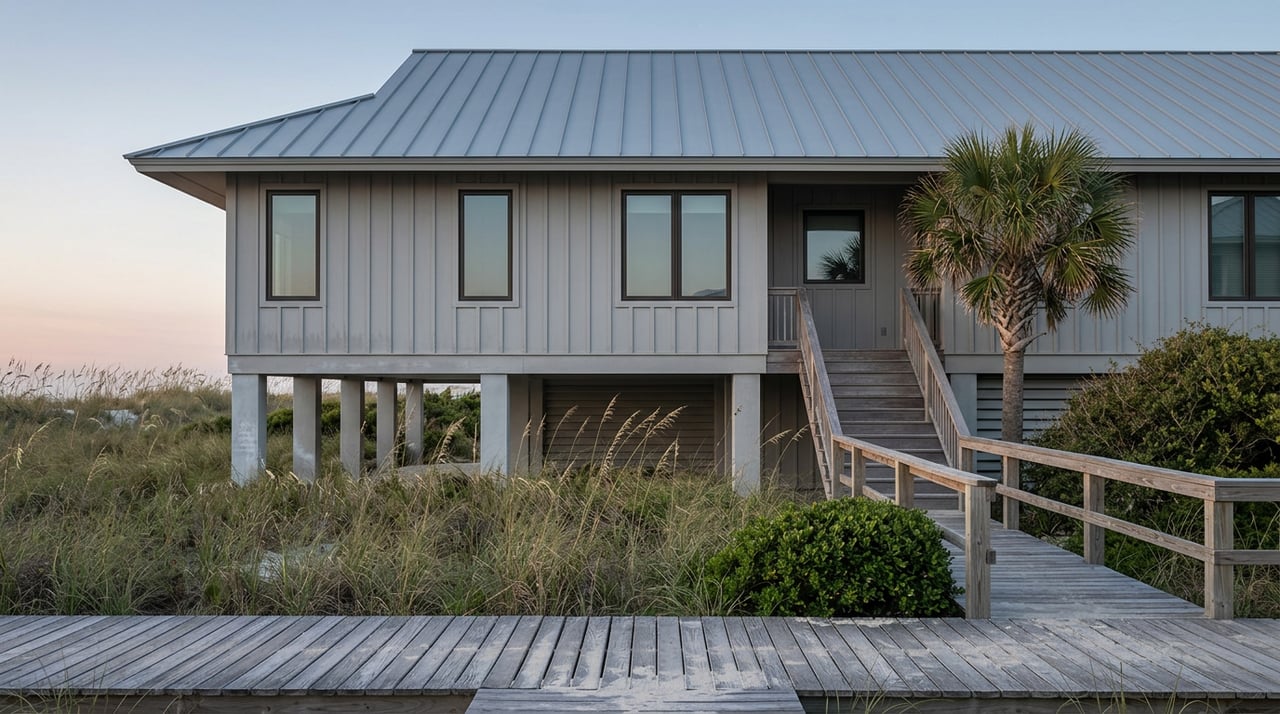
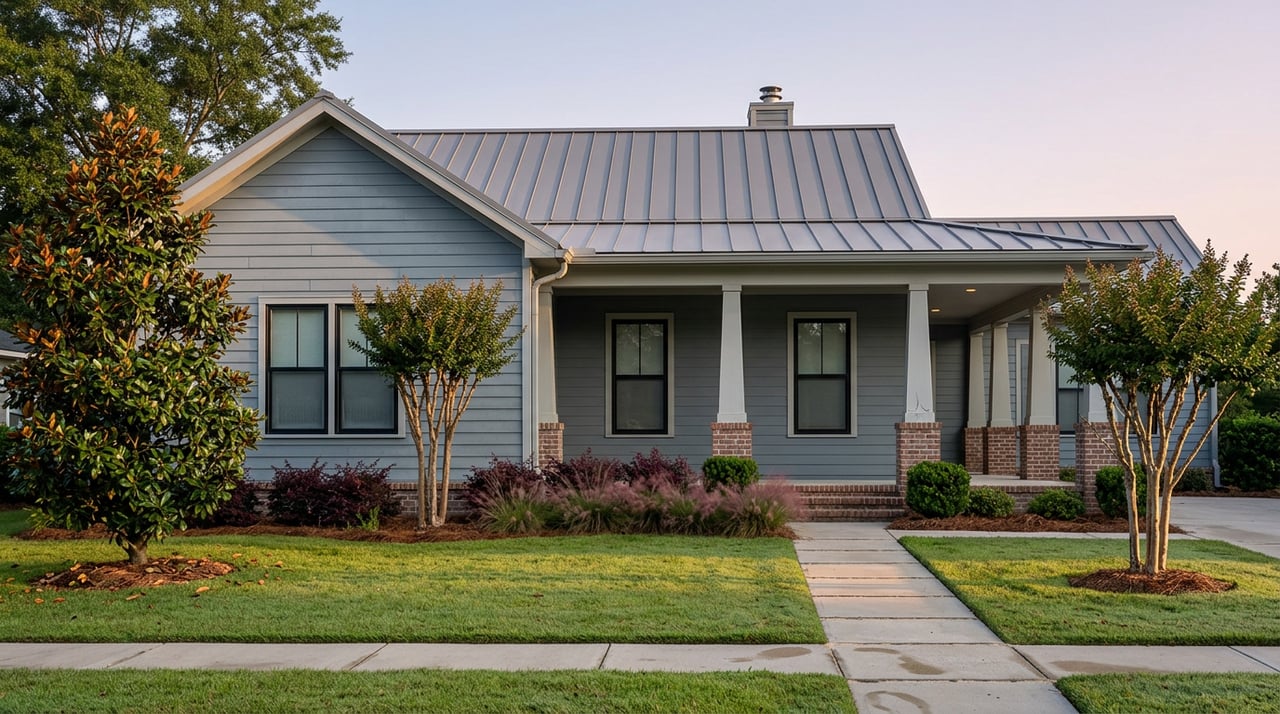
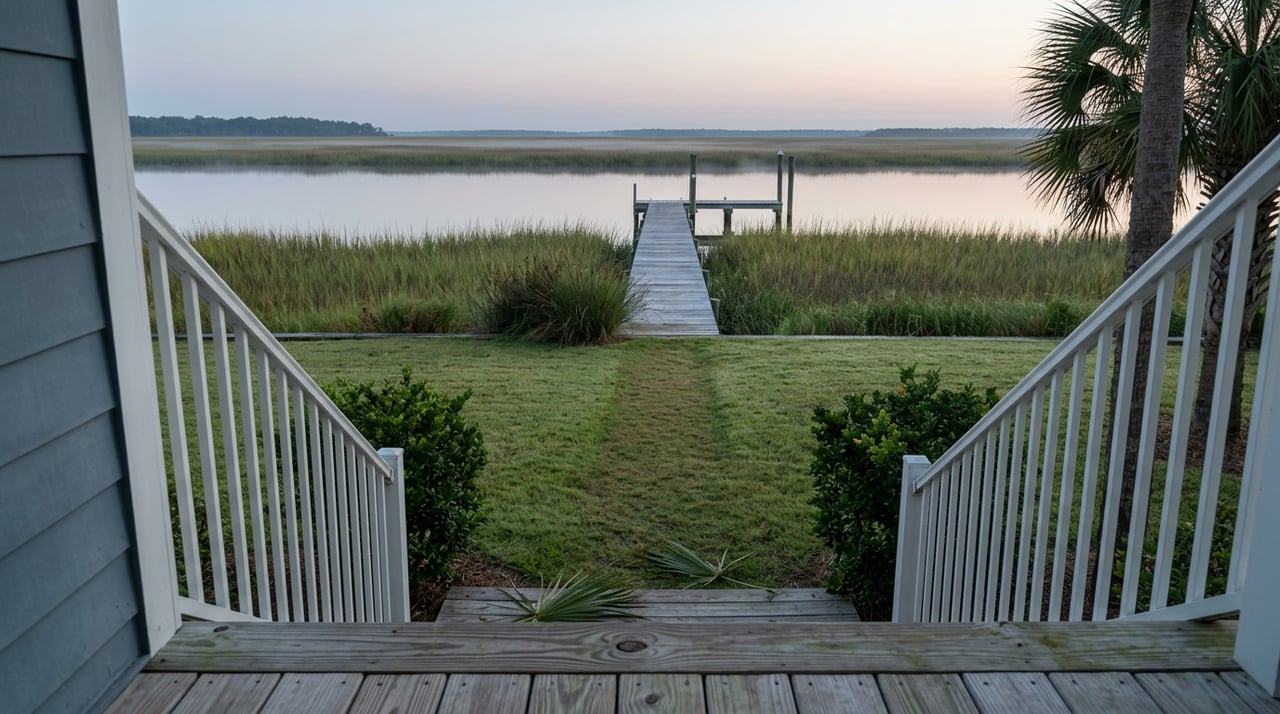
You will see raised coastal cottages on pilings, canal and Intracoastal homes with docks, modern builds with impact features, duplexes, and small condo buildings. Many homes are elevated to meet flood and storm standards, with first living levels above ground. Outdoor showers, storage for boards and beach gear, and multiple decks are common features.
Surf City has a mix of year‑round homeowners and second‑home owners. Short‑term vacation rentals are a major part of the market, and many properties operate as rentals in peak season. If you plan to rent your home, confirm permitting, parking, and utility rules with the Town of Surf City and Pender County government before you buy.
As a barrier‑island community, Surf City faces coastal flooding, storm surge, and erosion. Many properties fall within FEMA flood zones, and mortgage lenders often require flood insurance in high‑risk areas. Review your address on the FEMA Flood Map Service Center and budget for wind or hurricane coverage in addition to standard homeowners insurance. Construction and renovation must follow coastal rules through the NC Division of Coastal Management, which administers permitting for coastal development and beach projects.
The Surf City Bridge is your primary link to the mainland. During summer weekends and holidays, traffic can back up at peak hours, especially mid‑day check‑in and check‑out times. Plan errands and appointments with that timing in mind.
Surf City is within about 30 to 60 minutes of larger centers, with Wilmington the closest city for full services, hospitals, and an airport. Drive times vary by route and traffic, so it helps to test your commute at different times of day. Many residents work remotely or split days between the island and nearby mainland offices.
Students are served by Pender County Schools. When choosing a neighborhood, parents often look at school assignment boundaries and activity options. Confirm the latest information with the district to align with your needs.
Urgent care and primary care are available in and near Surf City, with full‑service hospitals and specialty providers in Wilmington and other regional hubs. Local police, fire, and EMS serve the island, with volunteer and county resources supporting as needed.
Parts of town connect to municipal water and sewer, while some properties rely on septic systems depending on location. Broadband has expanded, but speeds and providers vary by street. Always confirm service availability before you make an offer.
Budget planning on a barrier island is different from inland areas. Elevated construction, coastal materials, and maintenance for salt air exposure can affect your long‑term costs. Many buyers also plan for flood insurance, wind or hurricane policies, and potential elevation requirements that come with FEMA Base Flood Elevations. Utility costs vary by property type and system setup, such as municipal sewer versus septic.
If you are exploring a second home, factor in furnishing, seasonal deep cleans, exterior upkeep, and property management if you plan to rent. For any exact costs or policy requirements, confirm with your insurer, the town, and Pender County so you have a clear picture before closing.
Surf City may be a strong match if you:
It may be less ideal if you need daily access to large urban amenities without driving or if you prefer extensive nightlife close to home.
Short‑term rentals are common in Surf City, and many owners work with property management companies for bookings and maintenance. Before you buy, review licensing, parking, septic or sewer rules, noise and occupancy limits, and transient occupancy taxes. The Town of Surf City and Pender County government publish rules and permitting processes, which can change over time. Solid planning helps you set realistic income and expense expectations.
Surf City lies in a hurricane‑prone region. Most residents keep a written plan, secure storm shutters or have impact windows, and follow local guidance when watches and warnings are issued. Learn the basics at the National Weather Service hurricane safety page, and check the town site for local updates and evacuation routes. If your home is in a mapped flood zone, review your specific risks on the FEMA Flood Map Service Center.
Life in Surf City is about balance. You enjoy quiet mornings, ocean breezes, and small‑town connections, then plan around seasonal buzz when summer arrives. With the right home, proper insurance, and a clear understanding of local rules, you can settle into a coastal routine that fits your goals.
If you are ready to explore homes on Topsail Island, Hampstead, North Topsail Beach, or Jacksonville real estate, connect with a local advisor who understands second homes, relocation, and investment strategy. Reach out to Stephanie Bolleyer to start your search or get guidance on buying, selling, or renting in Surf City.
Stay up to date on the latest real estate trends.


Work with her for trusted, transparent real estate service in Coastal, NC. She brings expertise, dedication, and a client-first approach, guiding you smoothly from first showing to closing with clear communication and exceptional care every step of the way.