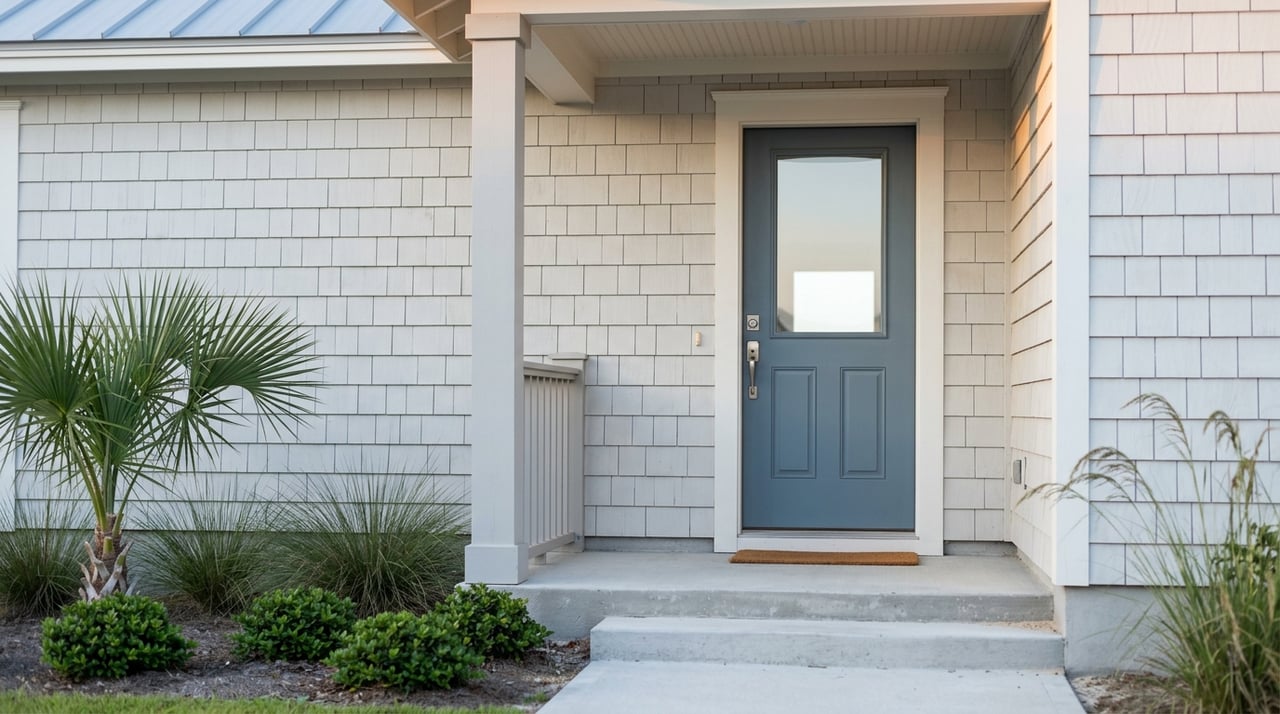
Your Surf City Home Pricing Strategy for the Right List Price
April 16, 2026
April 16, 2026
Wondering why some Surf City homes get strong interest quickly while others linger? In a coastal market, list price is not just a number you pick and hope for the best. It is a strategy that should reflect local competition, buyer expectations, and the details that matter most here. If you want to price your home with confidence, this guide will help you understand what goes into a smart list price in Surf City. Let’s dive in.
Surf City is not a typical inland market. It is a year-round coastal community and the commercial heart of Topsail Island, with public beach accesses and seasonal parking that shape how buyers think about location and convenience. According to Pender County Tourism’s Surf City overview, those coastal lifestyle factors are part of what makes this market distinct.
Recent market data also shows why pricing carefully matters. Realtor.com’s Surf City market page reported a median listing price of $793,500, 177 active listings, 69 median days on market, and a 99% sale-to-list ratio for March 2026. That points to a market where buyers are active, but homes can still take time to sell if the price misses the mark.
That longer timeline stands out even more when compared with national seasonality. The National Association of Realtors seasonal analysis notes a 33-day median days on market nationally during the April through June period. In Surf City, longer marketing times make realistic pricing especially important.
The right list price usually starts with a comparative market analysis, or CMA. According to NAR’s consumer guide to pricing a home, a CMA should consider your home’s size, location, amenities, and condition, while also looking at recently sold homes, properties under contract, and active competition in the same market area.
In Surf City, “same market area” often needs to be more specific than a zip code. Two homes with similar square footage can perform very differently based on beach access, flood-zone context, elevation, views, and overall condition. In a coastal market, those details affect both buyer perception and how your home compares to nearby options.
That is one reason a pricing-focused agent can add real value. NAR’s Pricing Strategy Advisor certification is designed around pricing properties, creating CMAs, working with appraisers, and helping clients navigate value questions clearly. For you as a seller, that means a more informed conversation about where your home fits in today’s market.
Not all comps carry the same weight. The most useful pricing data usually includes:
The key is making careful adjustments. A home near a convenient beach access may appeal differently than one farther inland. A property with stronger condition, updated finishes, or a more usable layout may support a different number than a nearby home that needs work.
You also want to avoid comparing your home to the highest listing you can find just because it feels encouraging. Active listings represent competition, not guaranteed value. Your list price should help your home stand out in the current field, not blend into an overpriced group that sits.
In Surf City, flood risk can have a real effect on pricing. The town’s Flood Plain Development page explains that flood maps are available through the state mapping program and notes coastal flood zones and elevation requirements for new construction in regulated flood zones.
This matters even if your property is not directly on the oceanfront. FEMA guidance referenced by the town notes that federally regulated lenders require flood insurance for buildings in a Special Flood Hazard Area within participating communities. For buyers, that can affect financing, monthly costs, and comfort level with a purchase.
From a pricing standpoint, this means you should think beyond the home itself. If two similar homes differ in flood-zone context or likely insurance costs, buyers may not value them the same way. A smart list price reflects that reality upfront instead of waiting for buyers to raise concerns later.
Location always matters, but in Surf City, convenience can be especially important. The town’s public beach access page lists numerous access points, including some with restroom or shower facilities, along with seasonal parking options.
That helps explain why homes with easier beach access, better walkability, or smoother parking logistics may draw stronger interest. Buyers shopping in a coastal market often think about how they will actually use the property, whether that means full-time living, a second home, or a vacation-oriented retreat.
This does not mean every home near the water should be priced aggressively. It means the convenience story should be weighed realistically when comparing your property to similar listings and recent sales. In many cases, small location differences can affect buyer demand more than sellers expect.
Timing and pricing work together. According to NAR’s seasonal market analysis, housing activity often peaks from April through June, and tourism-heavy Southern markets can see seasonality shaped by second-home buyers as well.
In Surf City, that seasonal pattern can influence how much attention your listing gets when it first hits the market. If your property is likely to appeal to vacation-home or second-home buyers, launch timing may play a bigger role than it would in a less seasonal market.
Still, waiting for summer is not always the best move. A well-priced home can attract serious buyers in multiple seasons, while an overpriced home can still sit during a busy market. The goal is to match your timing and list price to your property type, buyer pool, and moving timeline.
Many sellers are tempted to “test” the market with a higher price. The problem is that this approach can cost you leverage. NAR has noted that a competitive price can help avoid extended time on market, and Realtor.com warns that overpriced homes can turn buyers away and grow stale, often leading to larger reductions later.
When a home sits too long, buyers may start wondering what is wrong with it, even when the real issue is only the price. That can weaken your negotiating position and make future price cuts feel reactive rather than strategic.
The best first impression usually happens when your home is new to the market. If you price well from the start, you are more likely to attract qualified buyers early, protect your negotiating power, and keep your final result stronger.
The right list price is not always the highest possible number. NAR’s pricing guide notes that sellers who need to move quickly may choose a more competitive price, while those with more flexibility may aim higher. It also points out that repairs, upgrades, concessions, and contract terms can all shape the overall strategy.
That means your pricing plan should begin with your goals. Ask yourself:
The strongest strategy usually balances market data with your personal priorities. A great list price is not just about what your home might be worth on paper. It is about what will help you move forward with confidence.
Setting the right list price in Surf City takes more than pulling a few nearby sales. You need a local view of buyer behavior, a close reading of your competition, and an honest conversation about coastal factors like access, condition, timing, and flood-zone context.
That is where working with a local, data-driven advisor matters. If you are thinking about selling, Stephanie Bolleyer can help you evaluate your home’s position in the current Surf City market and build a pricing strategy that supports your goals.
Stay up to date on the latest real estate trends.


Work with her for trusted, transparent real estate service in Coastal, NC. She brings expertise, dedication, and a client-first approach, guiding you smoothly from first showing to closing with clear communication and exceptional care every step of the way.