
Expert Tips for Selling Your Porters Neck Home
May 7, 2026
May 7, 2026
Thinking about selling your Porters Neck home? In a market where many homeowners have significant equity and buyers often expect a polished, well-prepared property, the work you do before listing can shape your results. The good news is that you do not need to guess your way through the process. With the right plan, you can reduce surprises, present your home well, and move toward the market with confidence. Let’s dive in.
Preparing your Porters Neck home for sale is really about two things: reducing risk and improving presentation. You want to uncover issues early, handle the most important repairs, and make sure your home looks clean, cared for, and easy for buyers to picture themselves in.
That matters in Porters Neck. Census data shows a high owner-occupied rate and a median owner-occupied home value of $569,700, which suggests many buyers in the area may expect a well-maintained home with clear documentation and fewer loose ends.
In Porters Neck, coastal conditions can affect what buyers ask about and what sellers should verify before listing. If you wait until you are under contract, common concerns like flood risk, wind exposure, moisture, and permits can slow things down.
New Hanover County participates in the National Flood Insurance Program and directs property owners to FEMA’s Flood Map Service Center as the official source for checking flood hazard data by address. If your home is in or near an area with flood concerns, it helps to confirm that information early so you can answer questions clearly.
Insurance is another important topic. The North Carolina Department of Insurance notes that standard homeowners policies do not cover flood damage, and some coastal policies may also exclude wind and hail. Even if you are not making any insurance changes before selling, being prepared for those questions can make buyer conversations smoother.
If your property is near water, marsh, or other coastal Areas of Environmental Concern, be careful with exterior work. New Hanover County administers CAMA minor permits for certain projects in or near those areas, so it is wise to verify whether planned work needs review before you start.
A pre-listing inspection is not required, but it can be a smart move if you want fewer surprises during the transaction. According to current seller guidance, an inspection can uncover issues in the roof, structure, exterior, plumbing, electrical, HVAC, insulation, and interior systems before buyers find them.
That can help you make better decisions. You may decide to repair certain items, price with those issues in mind, or simply prepare documentation so you are not caught off guard later.
For many Porters Neck sellers, this step is especially helpful because coastal homes often raise buyer questions about moisture, ventilation, exterior wear, and long-term maintenance. Knowing what you are working with puts you in a stronger position from day one.
In North Carolina, most sellers of residential one- to four-unit properties must provide two disclosure forms before an offer is made: the Residential Property and Owners’ Association Disclosure Statement and the Mineral and Oil and Gas Rights Mandatory Disclosure Statement.
These forms are not something to leave until the last minute. A thoughtful review gives you time to gather records, confirm past repairs, and decide whether anything needs to be corrected before your home goes live.
If you learn about a problem after listing, the disclosure should be updated promptly if it is no longer accurate. In other words, once a material issue becomes known, it needs to be addressed through correction, disclosure, or both.
For most residential structures sold in North Carolina, the official wood-destroying insect report is completed on the WDIR 100 form. This report covers accessible areas and can flag visible issues such as excess crawlspace moisture, wood-decay fungi, debris, and wood-to-soil contact.
That matters in coastal North Carolina, where moisture can contribute to bigger concerns over time. If your home has a crawlspace, porch, or attached deck, it is worth thinking ahead about how those areas will present when inspected.
Not every project needs to happen before you sell. The key is to focus on repairs and updates that affect buyer confidence, day-one appeal, and the overall sense that the home has been cared for.
Recent remodeling guidance points to a few recurring priorities before sale:
Even if you do not plan to replace a roof, HVAC system, or older appliances, it is still helpful to price out those items. That gives you a clearer sense of what buyers may notice and what could come up during negotiations.
In a coastal area like Porters Neck, moisture control deserves special attention. Mold prevention guidance emphasizes fixing moisture sources quickly, drying wet materials within 24 to 48 hours, keeping indoor humidity low, cleaning gutters, and making sure the ground slopes away from the foundation.
These are not just maintenance tips. They also affect how your home smells, photographs, and feels during showings. A clean, dry, fresh-feeling home gives buyers more confidence than one with musty air, stained ceilings, or damp crawlspace concerns.
Before listing, take a close look at:
If you are planning more than cosmetic touch-ups, verify permit requirements before getting started. New Hanover County states that most construction projects require permits, and building permits expire if work has not started within six months.
That can become important if you are rushing to finish a project before listing. Unfinished work, expired permits, or unclear records can create extra questions for buyers.
A simple rule of thumb is this: if the work changes structure, systems, or major exterior features, confirm the permit requirements first. That is especially true for homes near water or regulated coastal areas.
Once the major repair questions are handled, shift your focus to presentation. Buyer guidance consistently recommends cleaning windows, carpets, walls, and lighting fixtures, storing clutter, and gathering manuals and warranties for systems and appliances.
This step matters more than many sellers realize. Clean homes feel better maintained, photograph better, and help buyers focus on the space instead of your belongings.
Try to simplify each room so its purpose is obvious. You want buyers to notice the natural light, layout, storage, and finishes, not crowded shelves, overfilled closets, or too much furniture.
If you are staging selectively, start with the spaces buyers tend to notice most. Current staging data points to the living room, primary bedroom, dining room, and kitchen as the rooms most commonly staged.
That makes sense because these spaces often shape the emotional first impression of the home. If your budget or timeline is limited, focus there first, then move to the entry, patio, porch, and other highly visible exterior areas.
Staging can also support your bottom line. Recent data found that 83% of buyers’ agents said staging made it easier for buyers to visualize the property as a future home, while many sellers’ agents reported faster sales.
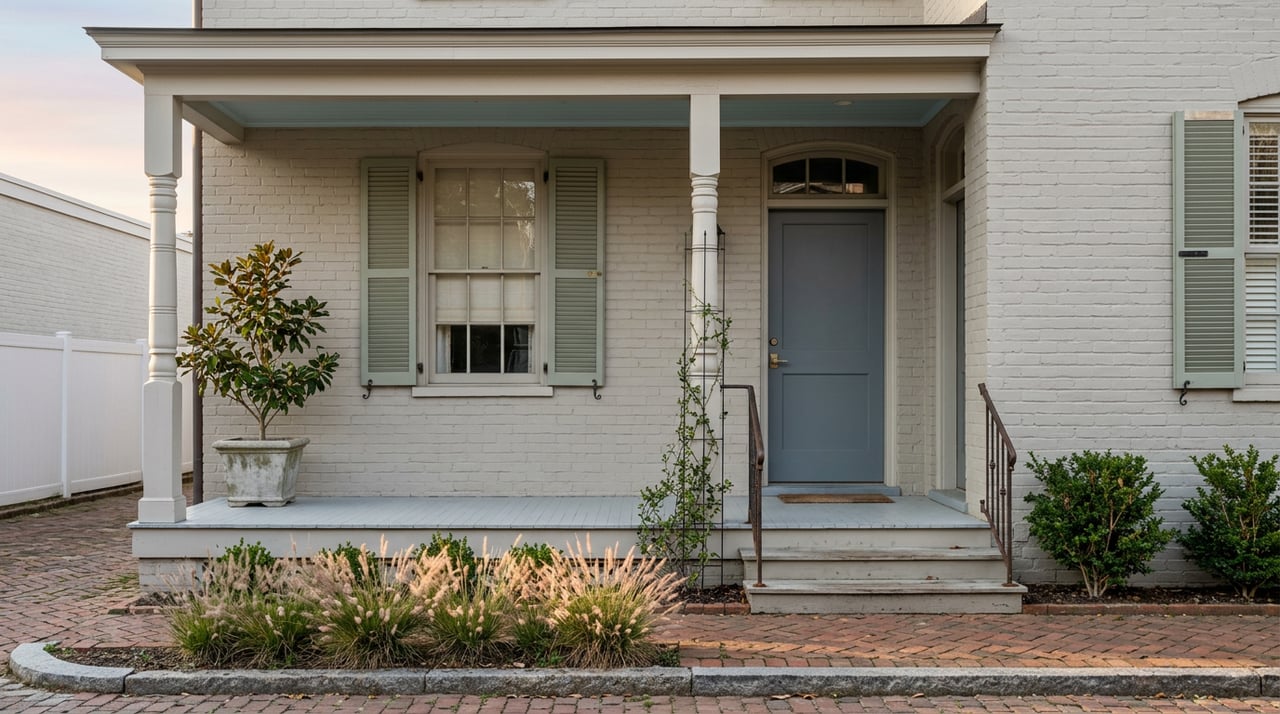
Your exterior sets expectations before buyers even walk in. In Porters Neck, curb appeal should feel neat, low-maintenance, and appropriate for coastal conditions.
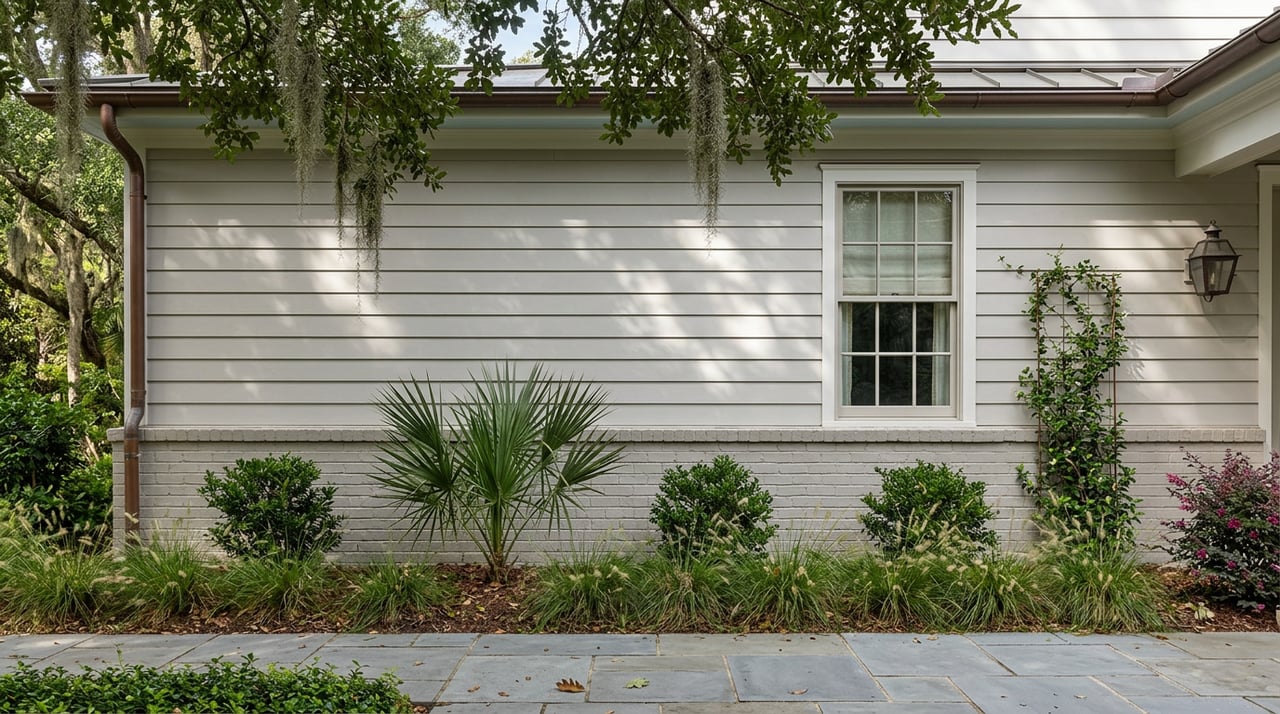
That does not mean a full landscape overhaul. It usually means trimming overgrowth, freshening mulch where needed, cleaning the entry, touching up paint, and making sure plantings look healthy and suited to the environment.
Coastal landscaping guidance from NC Sea Grant supports choosing plants suited to coastal conditions and salt tolerance. For sellers, the practical takeaway is simple: a tidy yard with plants that look comfortable in the setting will usually show better than high-maintenance landscaping that appears stressed.
Photography is not the last-minute step it used to be. Buyer agents say photos, videos, virtual tours, and physical staging are highly important in listings, so your digital presentation should be treated as part of your sale strategy.
That means photos should happen after the home is cleaned, decluttered, repaired, and staged. If you photograph too early, you risk showing flaws that could have been corrected and setting expectations your in-person showing may not match.
That last part is important. Recent staging research found that many agents reported buyer disappointment when homes did not match what the listing presentation suggested. The goal is to create a listing that is attractive, accurate, and consistent with the in-person experience.
A smoother sale often comes down to good organization. Before your home hits the market, collect the documents buyers are most likely to ask about.
Your checklist may include:
Having these ready helps you respond quickly and present your home as well managed.
If you want a simple way to think about the process, follow this order:
When you prepare in this order, you reduce surprises and give your listing a stronger first impression both online and in person.
Selling in Porters Neck is not just about putting a sign in the yard. It is about showing buyers a home that feels well maintained, well presented, and easy to understand. If you solve the key issues early and pair that work with strong listing preparation, you put yourself in a much better position for a successful sale.
If you are getting ready to sell and want clear, local guidance on what to fix, what to leave alone, and how to position your home for the market, connect with Stephanie Bolleyer for a personalized strategy and free home valuation.
Stay up to date on the latest real estate trends.






Work with her for trusted, transparent real estate service in Coastal, NC. She brings expertise, dedication, and a client-first approach, guiding you smoothly from first showing to closing with clear communication and exceptional care every step of the way.