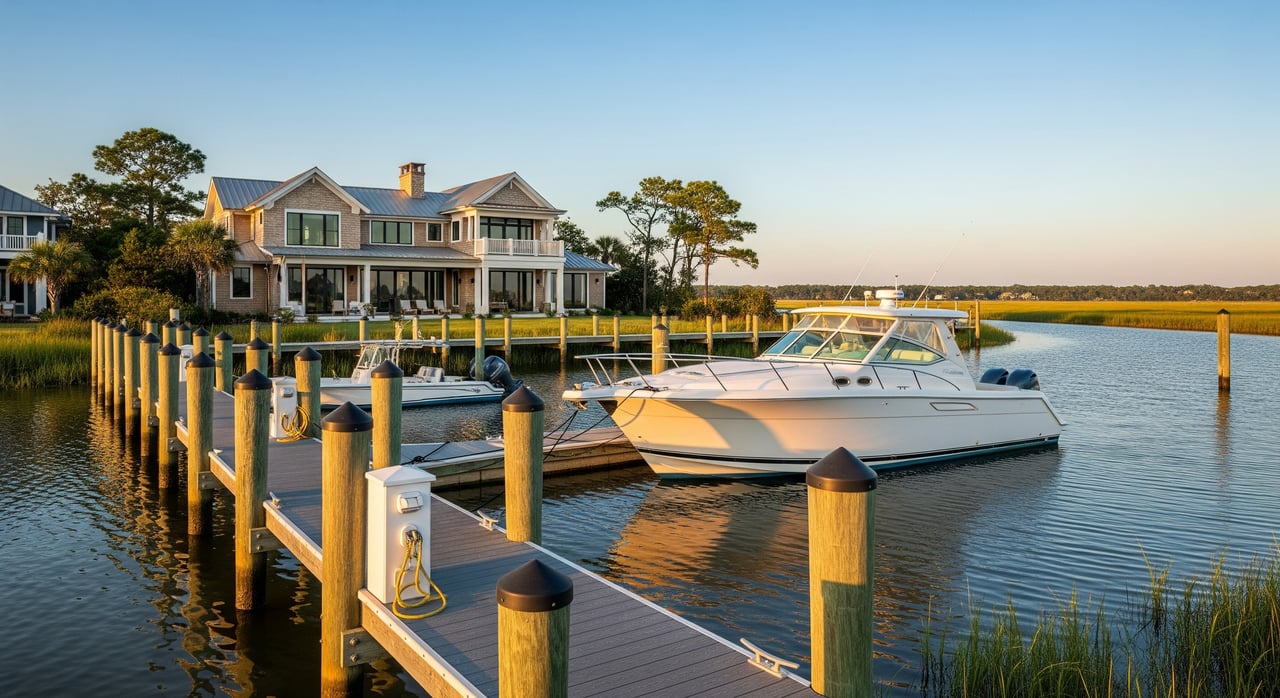
Boat-Friendly Neighborhoods in Hampstead for Avid Boaters
January 1, 2026
January 1, 2026
Picture this: a quick morning launch, a smooth ride along the Intracoastal Waterway, and fresh seafood on the grill by sunset. If you’re moving to Hampstead for a boating lifestyle, you’re in the right place. The area sits minutes from the sounds and creeks that lead to the ICW, with options ranging from private docks to public ramps and full-service marinas. In this guide, you’ll learn where to focus your home search, what to know about HOA and dock rules, and how to plan your boating routine with confidence. Let’s dive in.
Hampstead sits in Pender County on North Carolina’s southeastern coast, inland from Topsail Island. The water network here includes the Intracoastal Waterway, Topsail Sound, and tidal creeks that lead to open cruising and fishing. That mix offers you multiple ways to get on the water, whether you prefer a private lift at home, a community slip, or a nearby launch ramp.
A regional framework supports coastal access and safety. At the state level, the North Carolina Division of Coastal Management and the Coastal Area Management Act govern shoreline structures. Federally, the U.S. Army Corps of Engineers oversees many in-water activities. Locally, Pender County planning and permitting coordinate floodplain and shoreline approvals. Knowing who does what helps you make smart, timely decisions.
Public ramps in and around Hampstead are maintained by county or state agencies. They are launch-focused facilities with trailer parking, posted hours, and basic amenities that vary by site. Before you go, confirm hours, fees, and any seasonal changes with the managing agency and check tide timing for your return window.
What to look for:
Marinas range from simple dockage to full-service operations with fuel, pump-out, transient slips, haul-out, repair, and dry-stack. If you plan to keep a boat in the water, expect to encounter slip waitlists, especially heading into peak season. Policies on storm prep and haul-out are also important in this coastal region.
What to confirm:
Some planned communities are built around a marina basin or shared dock system. Access can be included in dues, limited to certain lots, or offered as a separate membership or lease. Slips in these communities often have their own rules, fees, and maintenance schedules.
Ask upfront:
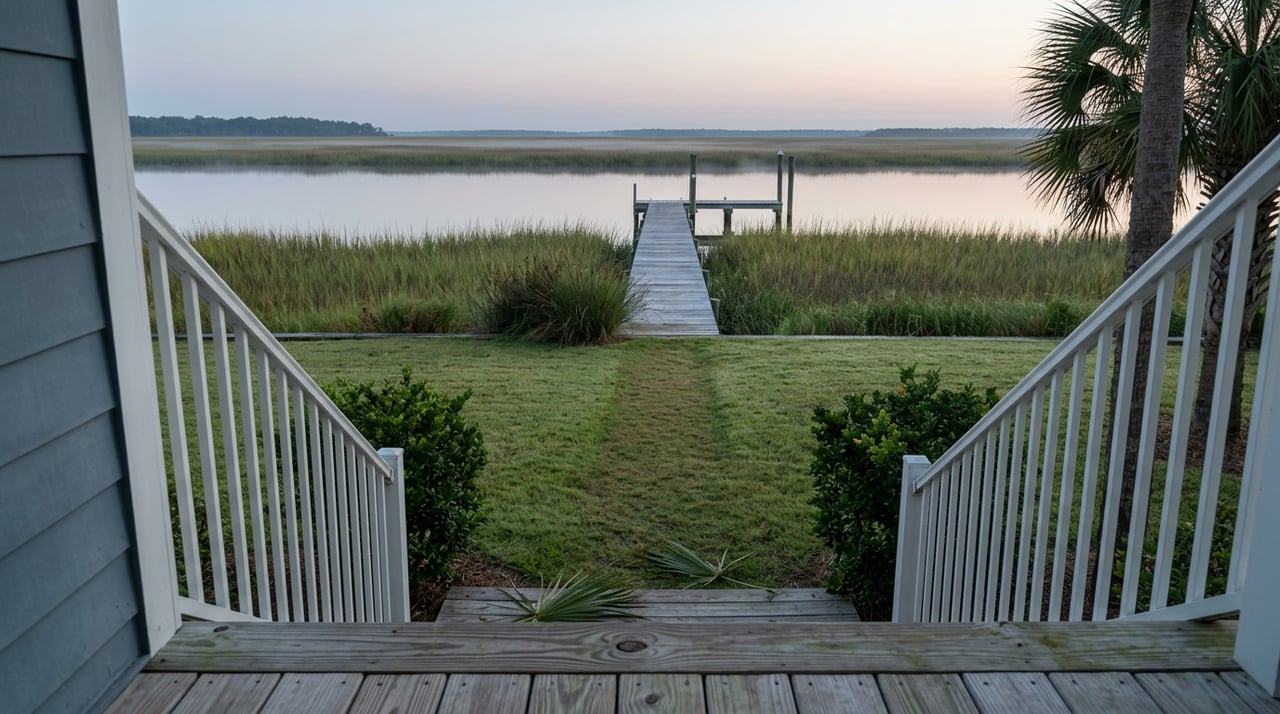
Waterfront properties may include private docks, bulkheads, and lifts. Canal-front pockets can offer calm, protected water and backyard access to the ICW. Any new or replacement structure typically requires permits from the state and federal agencies listed above, plus coordination with Pender County. After storms, repairs often need permits before work begins.
Verify on each property:
Instead of focusing on a single neighborhood, use your boating plan to guide your search. The right fit depends on whether you want to walk to your dock, tow to a nearby ramp, or join a marina.
If you want to step from your porch to your boat, look for homes on navigable creeks, soundfront, or along protected canals. These locations can shorten your prep time and turn quick sunrise trips into a daily routine.
Evaluate carefully:
Canal-front living can provide protected water and easy staging. Some canals are cul-de-sacs, with shallow areas that require attention to draft and tide timing. Many HOAs set wake, speed, and noise standards to protect shorelines and neighbors.
Questions to ask:
Plenty of Hampstead homes sit a short drive from public ramps and marinas. This setup works well if you prefer larger lots or newer construction inland but still want fast access to the ICW.
Focus on:
If you own a trailerable boat or jet skis, prioritizing garage depth, side-yard width, and HOA allowances can be a smart move. You gain flexibility on days when launching conditions vary.
Plan ahead:
For most Hampstead boaters, the Intracoastal Waterway is the primary protected route along the coast. Seasonal shoaling can change depths near inlets and shallow sounds, so always check current charts and local notices. Tides and currents affect launch timing and safe transit through narrow channels.
Keep in mind:
HOA covenants are central to boat-friendly living. In North Carolina, planned communities and condominiums operate under state statutes in Chapters 47F and 47C. Individual HOA documents add community-specific rules.
Expect to see:
Any new dock, lift, bulkhead, or permanent in-water structure typically needs permits through the state coastal program and, for many projects, the U.S. Army Corps of Engineers. Pender County coordinates local reviews and floodplain management. Ownership matters, too. A private dock means you handle maintenance and liability. A community facility spreads costs through the HOA but may include rules about use, reservations, and improvements.
Before committing:
Use this list to compare options side by side:
A simple custom map can save time and fuel all year. Layer in:
Use official county GIS for neighborhood and flood data, NC coastal resources for permit context, and updated navigation charts and tide tables for on-water planning. Refresh the map each season.
Hurricane season and nor’easters are realities of coastal boating. Marinas often publish storm plans that outline haul-out priority, dockline standards, and fuel availability. Private dock owners should confirm lift ratings and tie-down procedures and review insurance coverage details for named-storm events.
Preparation checklist:
Finding the right Hampstead home for your boating lifestyle is part property search, part marine planning. A local advisor can help you verify HOA rules, coordinate with county and coastal agencies, and confirm practical details like trailer access and typical depths near your target canals. If you are relocating or buying a second home, on-the-ground guidance and video walk-throughs can streamline decisions from afar.
If you want a smooth process and a water-ready plan on day one, reach out to Stephanie Bolleyer. You’ll get a consultative search, local insight across Topsail Island, Surf City, Hampstead, and surrounding Pender County communities, and a clear path to closing.
Navigational conditions change with weather, tides, and storm events. Always consult official navigation charts, tide and current tables, and local notices to mariners before each trip. Verify facility hours, fees, services, and access rules with the managing entity.
Stay up to date on the latest real estate trends.
Work with her for trusted, transparent real estate service in Coastal, NC. She brings expertise, dedication, and a client-first approach, guiding you smoothly from first showing to closing with clear communication and exceptional care every step of the way.