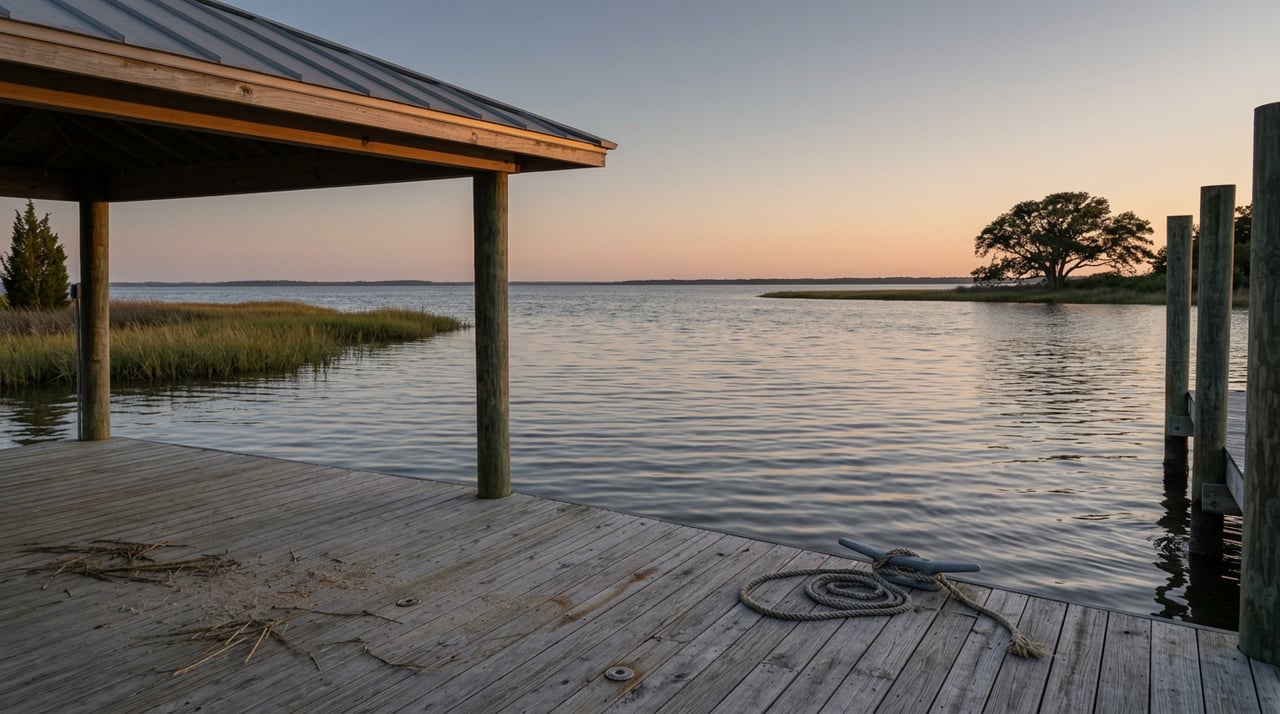
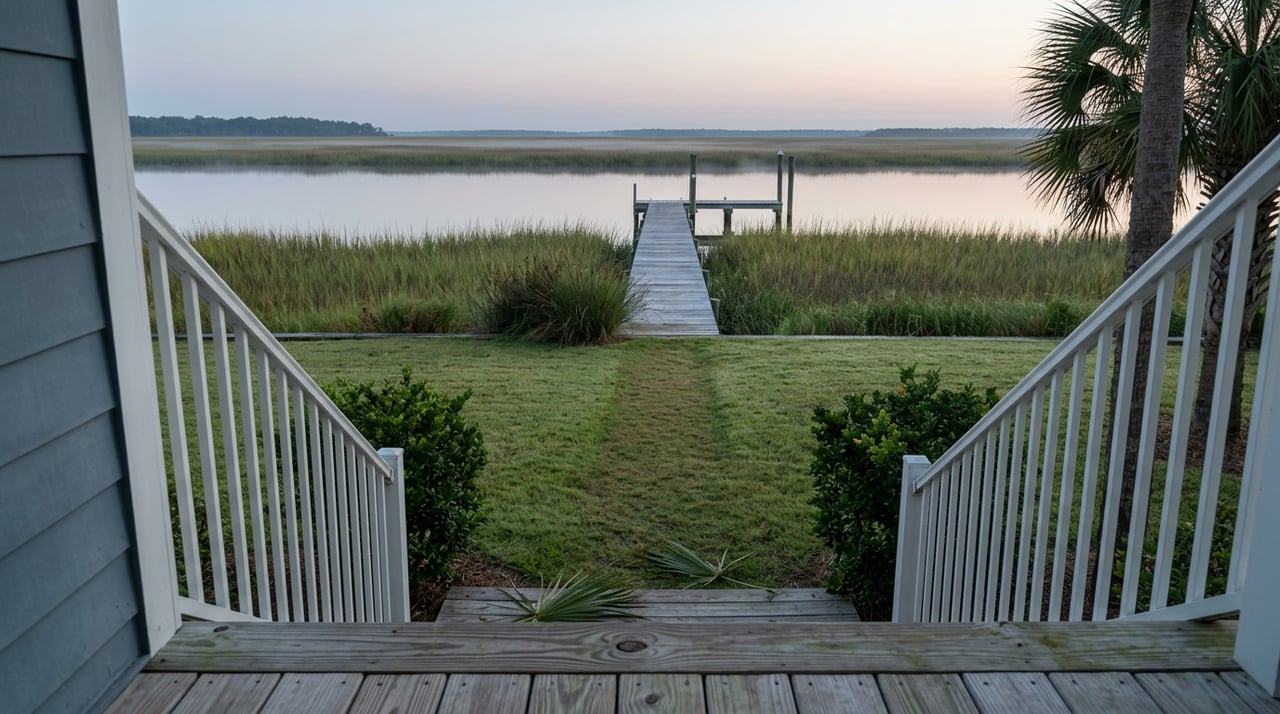
Thinking about buying or selling in North Topsail Beach but not sure when to make your move? On Topsail Island, the calendar shapes everything from buyer traffic to negotiation power. Whether you want peak exposure for a listing or the best shot at a deal, understanding seasonality helps you plan with confidence. In this guide, you’ll see how the market shifts month by month, what to expect in showings and days on market, and how to time your strategy. Let’s dive in.
Why seasons matter in North Topsail Beach
Tourism drives demand. Visitor traffic climbs in late spring and peaks in summer, which means more showings and more buyers during those months. You’ll feel this most from Memorial Day to Labor Day, when vacationers and second‑home buyers are on the island. For a sense of the tourism rhythm, browse the statewide calendar on Visit North Carolina.
Short‑term rentals influence timing. Many island homes operate as vacation rentals, so investor decisions often follow the rental calendar. Summer weeks command top rates, and occupancy is highest in June through August. Sellers sometimes plan listings or closings around booked weeks, and buyers may need to negotiate occupancy.
Military relocations add year‑round demand. Onslow County is home to Camp Lejeune and MCAS New River, creating steady relocation activity even in the off‑season. If your move is tied to orders or transfers, you are not alone. You can learn more about the base at the official Marine Corps Base Camp Lejeune site.
Hurricane season shapes risk and timelines. The Atlantic season runs June 1 to November 30, and storms can temporarily slow showings, affect insurance, or delay repairs. Track official advisories with the National Hurricane Center. Buyers should check flood zones early using the FEMA Flood Map Service Center.
Local rules can impact STRs. Town ordinances, occupancy taxes, and permitting may affect how investors evaluate a property. Before you list or buy, review current guidelines on the Town of North Topsail Beach website and confirm any updates with the town.
What changes through the year
Listing activity and buyer traffic
- Spring brings a surge in new listings and showings as sellers position for summer.
- Early summer is peak exposure, with vacationers, second‑home buyers, and investors actively touring.
- After Labor Day, traffic tapers, though serious off‑season buyers remain engaged.
Days on market
- DOM is typically shortest in spring and early summer when demand is strongest.
- DOM often lengthens in late fall and winter as showings decline and holiday schedules slow activity.
Pricing and inventory
- Spring and early summer can support stronger pricing, especially for move‑in‑ready or rental‑ready homes.
- Higher peak‑season inventory can create competition among sellers, so pricing strategy and presentation matter.
- Off‑season pricing may soften, and concessions are more common.
Negotiations in vacation season
- Peak months may bring multiple offers on standout listings and shorter inspection periods.
- Off‑season buyers often gain leverage for repairs, credits, and flexible closing timelines.
- Rental calendars can drive occupancy requests, post‑closing agreements, or price adjustments.
Month‑by‑month guide: North Topsail Beach
January
- Expect: Lowest visitor traffic and fewest showings; motivated investors and local movers stay active.
- Sellers: Less competition, but plan for longer DOM and potential concessions.
- Buyers: Strong leverage on price and terms.
February
- Expect: Similar to January with early prep for spring listings.
- Sellers: Finish maintenance, staging, and photography; late February listings can catch spring momentum.
- Buyers: Keep a close eye on new listings as spring ramps up.
March
- Expect: Listing season starts; showings increase.
- Sellers: Listing now positions you ahead of peak summer demand.
- Buyers: Be ready to act quickly on well‑presented homes.
April
- Expect: Strong showings and growing inventory.
- Sellers: Use competitive pricing and standout visuals to win attention.
- Buyers: Have pre‑approval and inspection options lined up.
May
- Expect: High buyer interest; DOM often shortens.
- Sellers: Peak pricing potential as summer approaches.
- Buyers: Prepare for competition and faster decision timelines.
June
- Expect: Peak visitor season begins; showings are very active.
- Sellers: Vacation‑ready homes can draw multiple offers.
- Buyers: Coordinate offers with rental calendars when needed.
July
- Expect: Peak occupancy and buyer traffic.
- Sellers: High exposure but also more listings in play; presentation is key.
- Buyers: Remain decisive; late‑month opportunities can still deliver summer use.
August
- Expect: Still strong, tapering after mid‑month.
- Sellers: Consider listing before Labor Day to capture late‑summer buyers.
- Buyers: Watch for pricing flexibility as summer winds down.
September
- Expect: Demand cools and storm concerns can affect activity.
- Sellers: More willingness to negotiate if summer didn’t produce a sale.
- Buyers: Look for price reductions and be thorough with inspections and insurance checks.
October
- Expect: Moderate fall activity with serious shoppers.
- Sellers: Less competition than spring and a focused buyer pool.
- Buyers: Balanced selection and reasonable negotiation power.
November
- Expect: Slower pace entering the holidays.
- Sellers: Plan for longer DOM; consider incentives.
- Buyers: Good timing for value, though inventory is thinner.
December
- Expect: Minimal activity due to holidays.
- Sellers: List only if motivated; many wait for spring.
- Buyers: Serious sellers may be receptive to strong, clean offers.
Seller timing tips
- Clarify your goal. If you want top exposure and pricing, target late March through May. For fewer showings and a steadier pace, consider October.
- Prep early. Complete pre‑listing inspections, repairs, and coastal maintenance before spring. Gather elevation certificates, flood insurance details, wind mitigation reports, and repair records.
- Align with the rental calendar. If your home has bookings, decide whether to sell around them or negotiate post‑closing occupancy.
- Be pricing‑smart. Peak months bring more buyers and more competing listings. Use data and a clear pricing strategy to stand out.
Buyer timing tips
- Shop off‑season for leverage. November through February often brings more room to negotiate.
- Act fast in spring and early summer. Have financing and inspection plans ready so you can compete on timing, not just price.
- Consider rental value. If a property has strong summer revenue, negotiate occupancy or pricing to reflect booked weeks.
- Check flood and insurance early. Confirm flood zones and eligibility through the FEMA Flood Map Service Center, and discuss wind and flood coverage with your lender and insurer.
Insurance, inspections, and storms
- Verify risk and coverage. Review flood zones, wind/hail coverage, and any special lender requirements for coastal properties. Monitor storm advisories with the National Hurricane Center.
- Inspect with a coastal lens. Ask about roof age, siding, windows/doors, elevation, drainage, and any post‑storm repairs. Collect documentation before you offer.
- Plan your timelines. During peak season, inspection slots and contractors can book quickly. In off‑season, allow for weather delays around holidays or storms.
Ready to plan your move?
Whether you are timing a top‑dollar summer sale or hunting for an off‑season buy, local guidance helps you make clear decisions. If you need advice tailored to your goals, connect with Stephanie Bolleyer for a custom plan. Get your free home valuation and tap into expertise in relocation, second homes, and investor purchases across Topsail Island and Onslow County.
FAQs
What is the best month to sell a home in North Topsail Beach?
- Late March through May typically offers peak exposure and stronger pricing due to rising buyer traffic heading into summer.
How does hurricane season affect buying in North Topsail Beach?
- From June to November, storms can slow showings, impact insurance, and delay repairs, so build in time and verify coverage early.
Are winter months good for buyers in North Topsail Beach?
- Yes. November through February often brings fewer competing buyers, more negotiation power, and opportunities for concessions.
How do short‑term rentals impact sale timing on Topsail Island?
- Summer bookings can drive seller decisions on listing dates and closings; buyers may need to negotiate occupancy or price around the rental calendar.
What documents should a seller gather for a coastal home in North Topsail Beach?
- Elevation certificate, flood insurance details, wind mitigation or roof documentation, and records of any storm‑related repairs or upgrades.