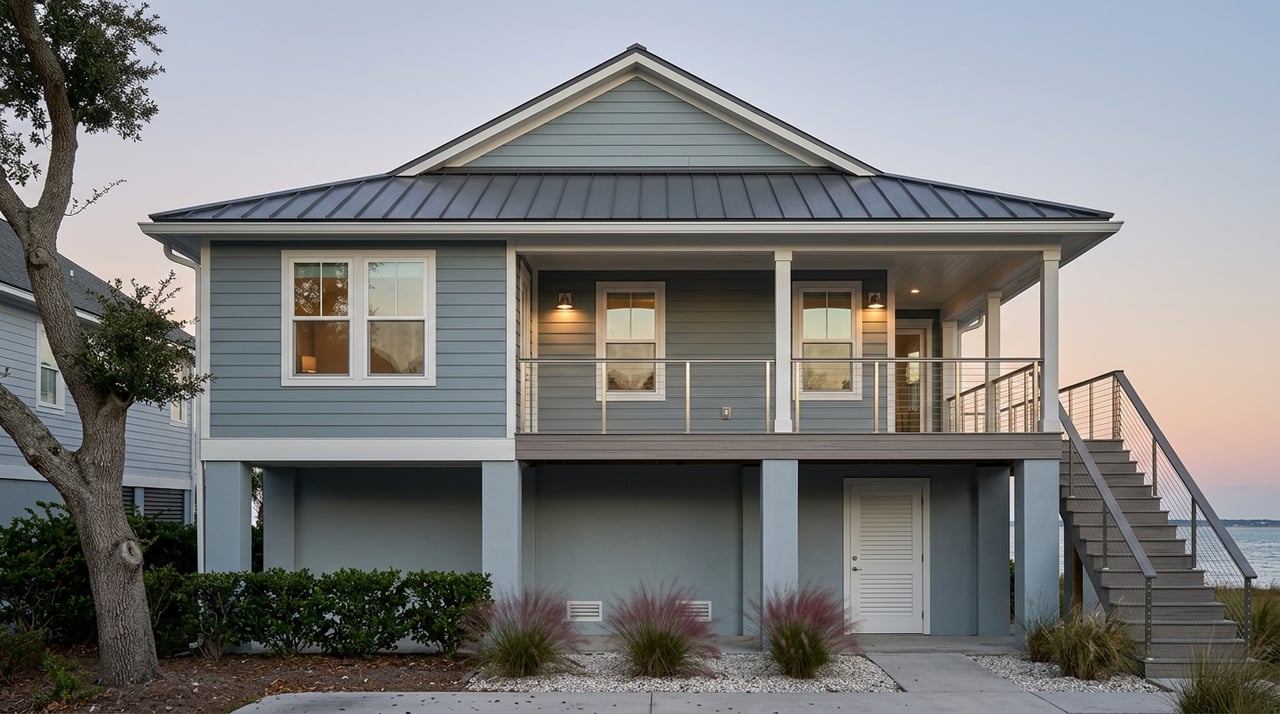
Surf City Waterfront Homes Guide: Waterfront or Mainland?
June 4, 2026
June 4, 2026
Trying to decide between a waterfront home and a mainland home in Surf City? It is one of the biggest choices buyers face here, and the right answer depends on more than just the view. If you are weighing lifestyle, budget, access, and long-term ownership costs, this guide will help you compare both options with more confidence. Let’s dive in.
Surf City stretches across both the island and the mainland. The island side sits between the Atlantic Ocean and the Intracoastal Waterway, while the mainland side is west of the waterway and connects more directly to areas near Holly Ridge and greater Hampstead.
That geography shapes daily life in a real way. The Surf City Bridge links the two sides, and the town’s population can rise past 60,000 during peak season. That means traffic, parking, and getting around can feel very different in summer than they do during the quieter months.
In Surf City, “waterfront” can describe several property types. It may mean oceanfront, soundfront, or a home on the Intracoastal Waterway. In many cases, the real value comes from the kind of access you have, not just the label itself.
For example, a property with direct frontage, deeded beach access, or boating potential may command a much different price than a home with only a water view. If you are comparing homes, it helps to ask exactly what kind of access comes with the property and whether that access is deeded, shared, or public.
One of the clearest differences is cost. Current waterfront listings in Surf City show a median listing price of about $750,000, with available homes ranging from around $715,000 for an Intracoastal Waterway-view home to about $2 million for an oceanfront property with deeded beach and Intracoastal access.
Mainland inventory tends to offer a lower entry point. Current examples under $400,000 include a first-floor corner condo on the mainland side and a new-construction townhome in the Waterside community. In general, mainland buyers are more likely to find smaller homes, condos, townhomes, and more conventional layouts at lower price points.
Town-wide, the broader market sits between those extremes. Surf City’s March 2026 median sale price was reported at $486,250, while the Census estimates a median owner-occupied home value of $512,300. Those numbers help show how far waterfront pricing can sit above the town’s overall baseline.
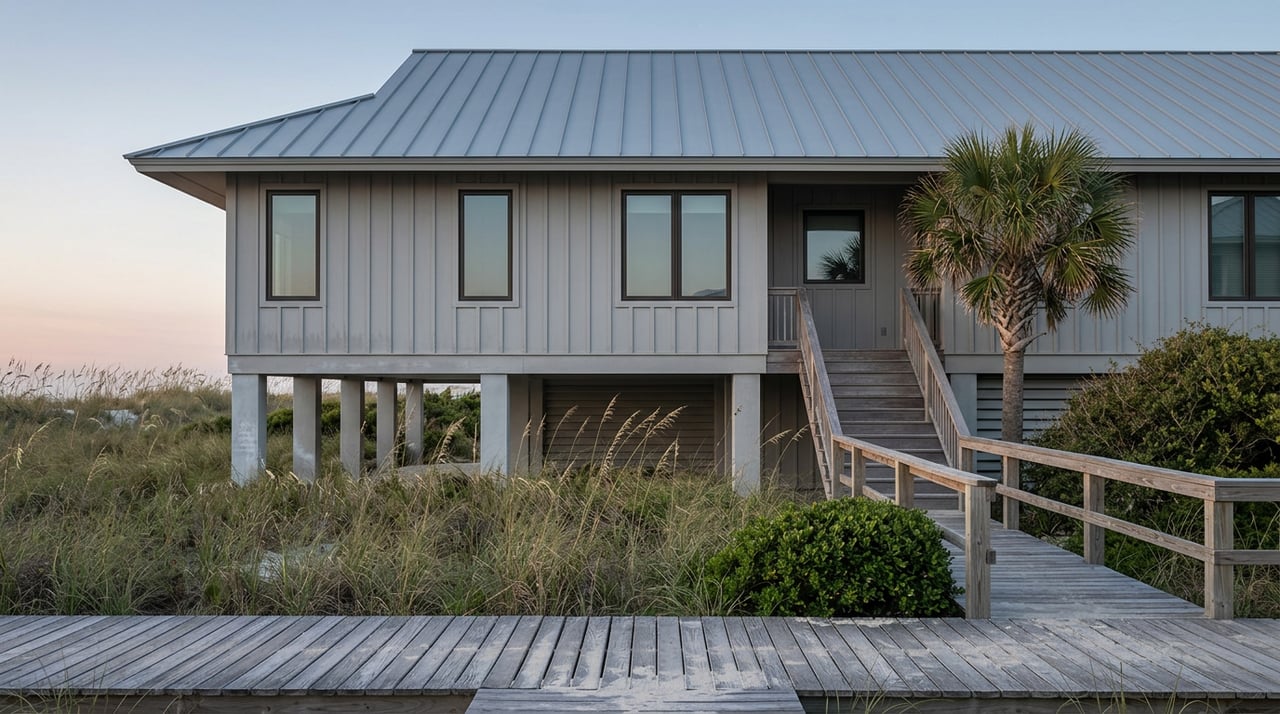
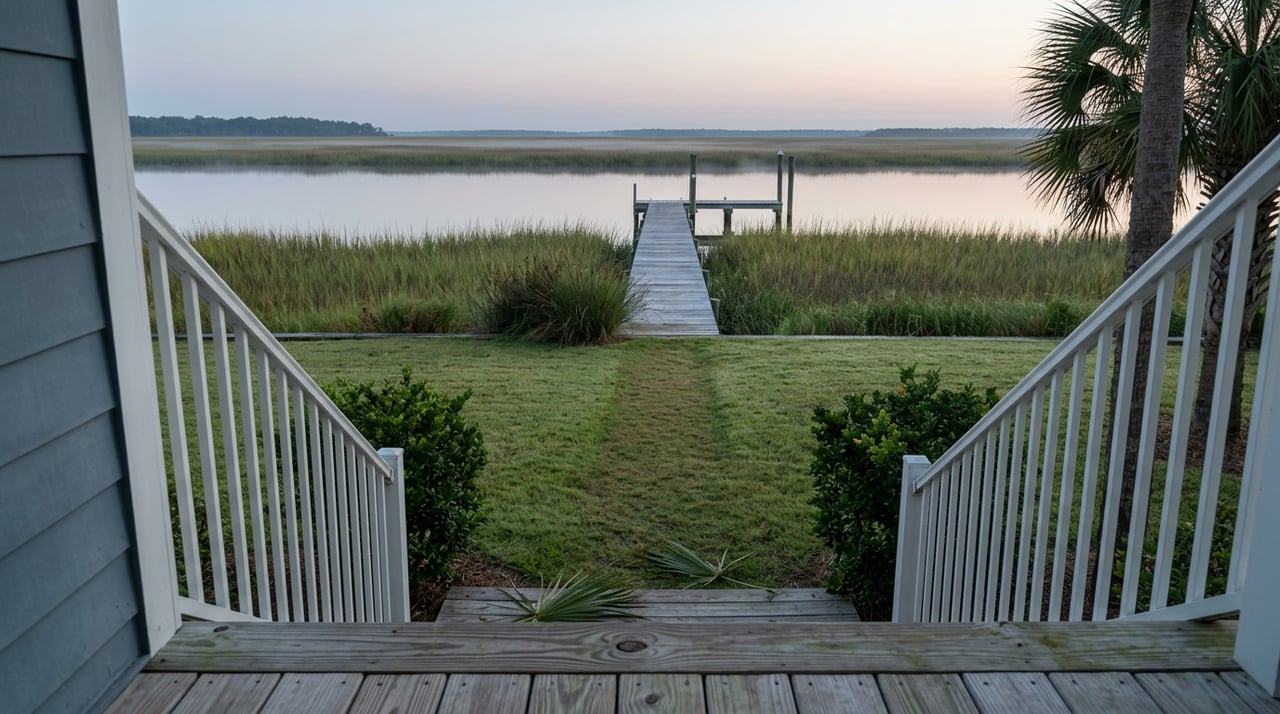
A waterfront home usually makes the most sense if you want the strongest coastal lifestyle experience. You may value direct water access, wide views, a second-home feel, or easier options for boating and kayaking. For many buyers, that daily connection to the water is the main reason to pay a premium.
Waterfront can also appeal if you are shopping for a vacation home or a property that feels more like a retreat. The setting often delivers the kind of lifestyle buyers picture when they think about living on Topsail Island.
That said, the lifestyle comes with tradeoffs. In Surf City, waterfront ownership often means a higher purchase price, more weather exposure, and more ongoing upkeep.
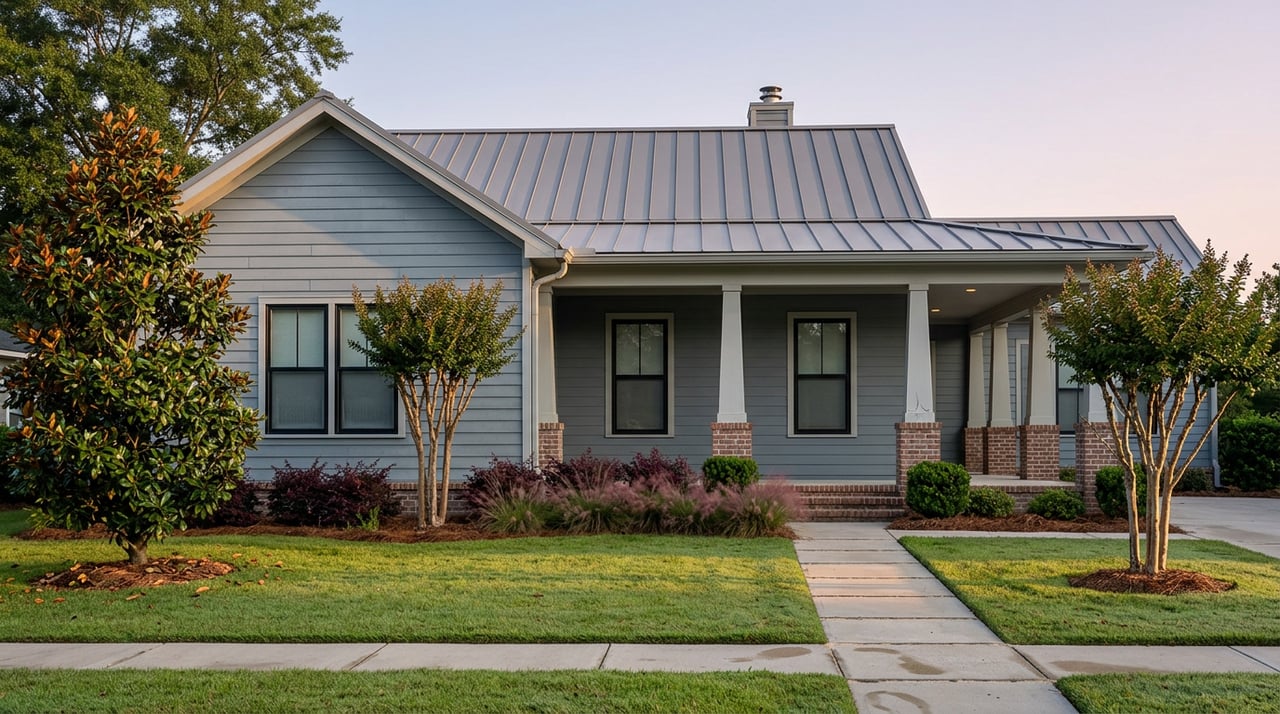
Mainland Surf City can be the better match if you want access to the beach lifestyle without taking on full waterfront costs. Many buyers like the more flexible pricing, more standard residential layouts, and easier day-to-day driving on the mainland road network.
This can be especially appealing if you plan to live in the home year-round. You may still enjoy Surf City’s beaches and water access while having a setup that feels more practical for everyday routines.
The beach is still within reach. Surf City maintains 38 public beach crossovers and lists many public beach access points, with some offering amenities like restrooms or showers. Because of that, many buyers find that mainland living still gives them excellent beach access without requiring direct frontage.
One of the most important differences between homes in Surf City is flood exposure. The town’s planning data identifies 5,240 parcels in special flood hazard zones, and those zones exist on more than just a few waterfront streets.
That is why broad assumptions can lead you in the wrong direction. A home’s flood risk depends on the exact parcel, and even small elevation differences can affect lending and insurance requirements.
North Carolina Emergency Management explains that coastal flooding is often driven by storm surge, wind-driven waves, and heavy rainfall. FEMA defines Special Flood Hazard Areas as places where floodplain rules apply and where flood insurance may be required for federally backed loans.
Before you make an offer, it is smart to check the exact parcel through North Carolina Emergency Management’s flood mapping tools and get a flood insurance quote. That step matters whether you are considering the island or the mainland.
The closer a home sits to the ocean or sound, the more important maintenance becomes. FEMA notes that salt spray is strongest near breaking waves and declines inland, while coastal humidity and salt can speed up corrosion of metal parts.
In practical terms, that can mean more attention to railings, fasteners, exterior hardware, HVAC equipment, and finishes. Homes near the water often benefit from corrosion-resistant materials and more frequent inspections.
This does not mean mainland homes are maintenance-free. It simply means that homes with greater water exposure often need a larger upkeep budget over time. If you are comparing monthly and annual costs, this is an important part of the math.
Buying on the island also means living with beach rules and active shoreline management. Surf City says the dunes are the island’s main source of protection, and the town requires beach equipment to be removed daily. Tent camping is not permitted on the beach.
The town is also moving forward with a beach nourishment and coastal storm risk management project that will add sand and build a new dune. For buyers, this is a reminder that island ownership is tied to an actively managed coastal environment.
That does not make waterfront less appealing. It simply means the lifestyle includes shared responsibilities and regulations that help protect the shoreline.
Lifestyle is not only about the home itself. It is also about what daily routines feel like once you live there. In Surf City, that can vary by season and by which side of town you choose.
The town identifies US Highway 17N, NC 50, and NC 210E as major transportation routes, and the bridge connection is a key part of local travel. During peak season, traffic and parking patterns can change quickly. If you plan to run frequent errands or commute regularly, mainland access may feel simpler.
If your priority is waking up near the water and embracing more of a coastal retreat atmosphere, the island may still be worth the extra logistics. The right fit depends on which daily tradeoffs matter most to you.
If you are torn between the two, try narrowing your decision around four questions:
If you want the strongest waterfront lifestyle and are comfortable with the premium and upkeep, waterfront is often the better fit. If you want Surf City access with more flexibility on price and ownership logistics, mainland is usually the more practical choice.
In many cases, the real question is not whether you can enjoy the beach. In Surf City, you often can from either side. The bigger question is how much direct waterfront exposure is worth to you.
If you are comparing homes in Surf City and want help weighing waterfront versus mainland options, Stephanie Bolleyer can help you sort through pricing, lifestyle tradeoffs, and the details that matter before you make an offer.
Stay up to date on the latest real estate trends.

Work with her for trusted, transparent real estate service in Coastal, NC. She brings expertise, dedication, and a client-first approach, guiding you smoothly from first showing to closing with clear communication and exceptional care every step of the way.